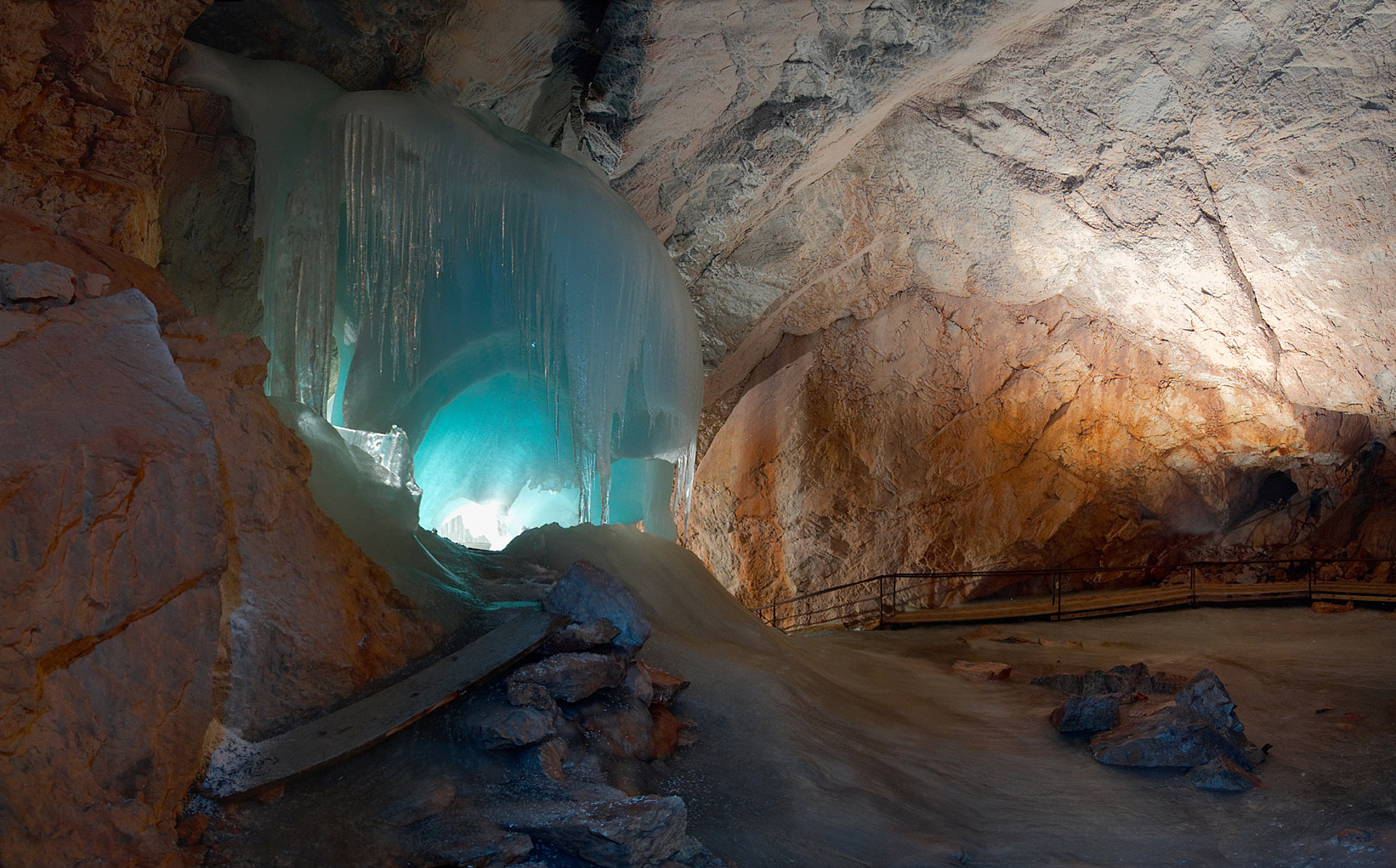
If you want to explore the lives of people over past millennia, you will find ample evidence in the top attractions of Salzburg Town and Province. Mighty fortresses, magnificent castles, isolated farmsteads and mystic underground passages tell fascinating tales of the earlier inhabitants of Salzburg. How did they live in the eras of the Celts and the Romans, of the knights and the prince-archbishops? We have excavated some of the past for you.
How did people live in Salzburg in earlier times?

The Celtic Era
The earliest traces of human presence in the Province of Salzburg are over 40,000 years old. Much later, during the Iron Age, the Celts settled in the Alpine region. Around 2,600 years ago, they were mining salt in the Dürrnberg, near Hallein. Skilled craftsmen, they produced sophisticated artefacts. Finds from the mine, from graves and settlements on the Dürrnberg are exhibited in the Celtic Museum in Hallein.
For their work underground, the Celtic miners wore sheepskin caps, laced boots, cowhide knapsacks, and probably woollen tunics. The salt in the mine preserved lost tools so well that even 2,500-year-old wooden pickaxes and other objects have survived, whereas on the surface they would long have rotted away. In the Salzwelten Salzburg & Kelten.Erlebnis.Berg [Salt worlds & Celtic experience mountain] on the Dürrnberg, you can visit the tunnels, which are preserved in their original state, and experience for yourself the working environment of the Celtic miners.
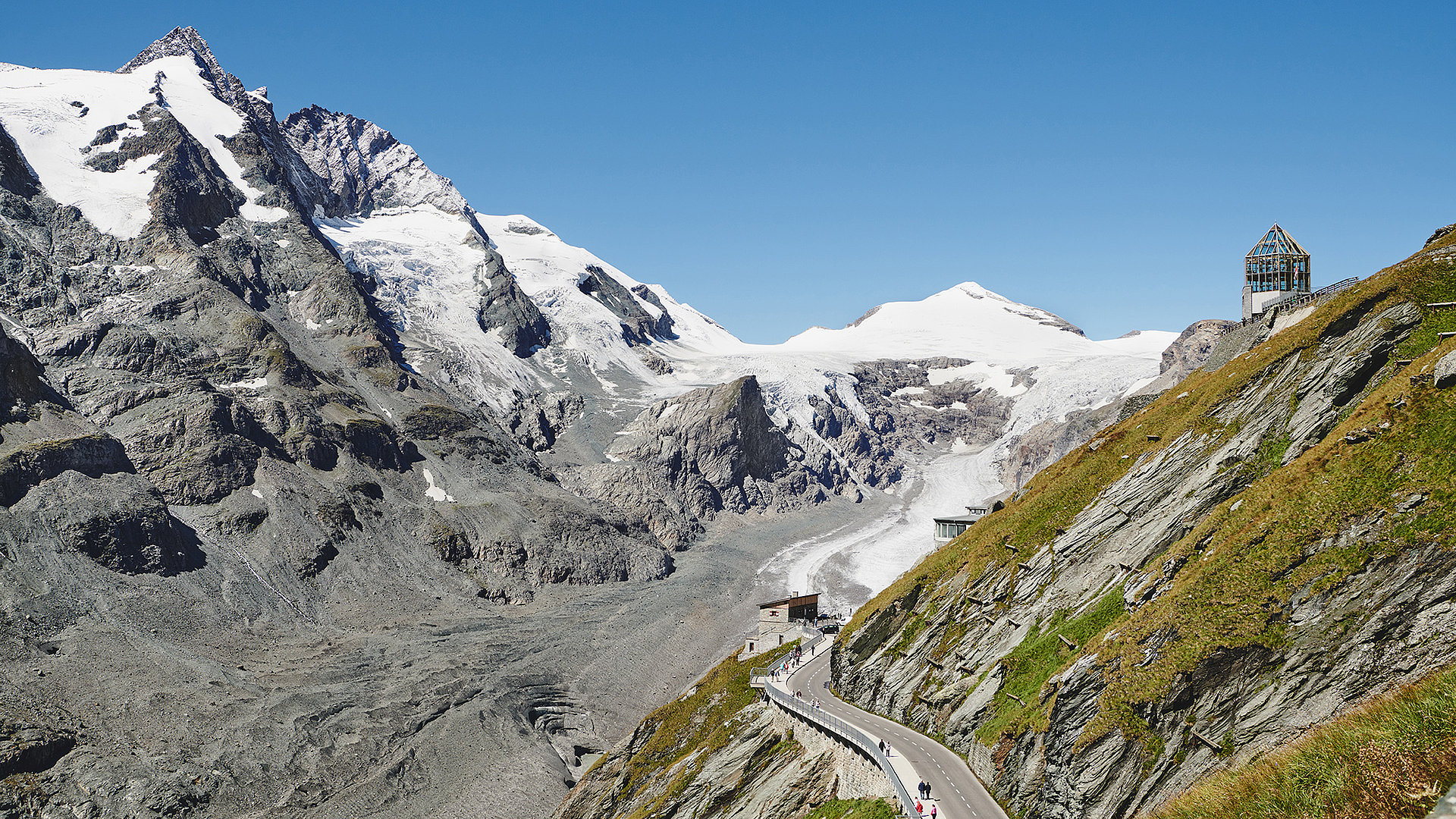
On the Hochtor Pass on today's High Alpine Road, archaeologists have found Celtic silver coins, bronze statuettes and iron bars – evidence that as far back as the Iron Age, this Alpine pass was already used as a trade and travel route.
The Krimml WaterWorlds lie at the foot of one of the oldest known passes in the Eastern Alps: the Krimml Tauern, already traversed by the Celts.


Roman period
The Romans reached the Salzburg area around 15 BC. The name Iuvavum – its origin is pre‑Roman, probably Celtic– was adopted by the Romans for the newly-founded municipality. On the present site of Salzburg Cathedral and the DomQuartier were Roman residential buildings, the remains of which are displayed in the Cathedral Excavation Museum. Life in Iuvavum was amazingly urban; the population of 7,000 lived in houses with underfloor heating (hypocausts).
In the Lungau region, on the major Roman road leading to Teurnia, there was a toll station: Mauterndorf [lit. "toll village"]. On the site of the former Roman fort now stands Mauterndorf Castle. Finds dating from the Roman period are displayed in the Lungau Regional Museum in the Castle.


Salzburg in the Middle Ages
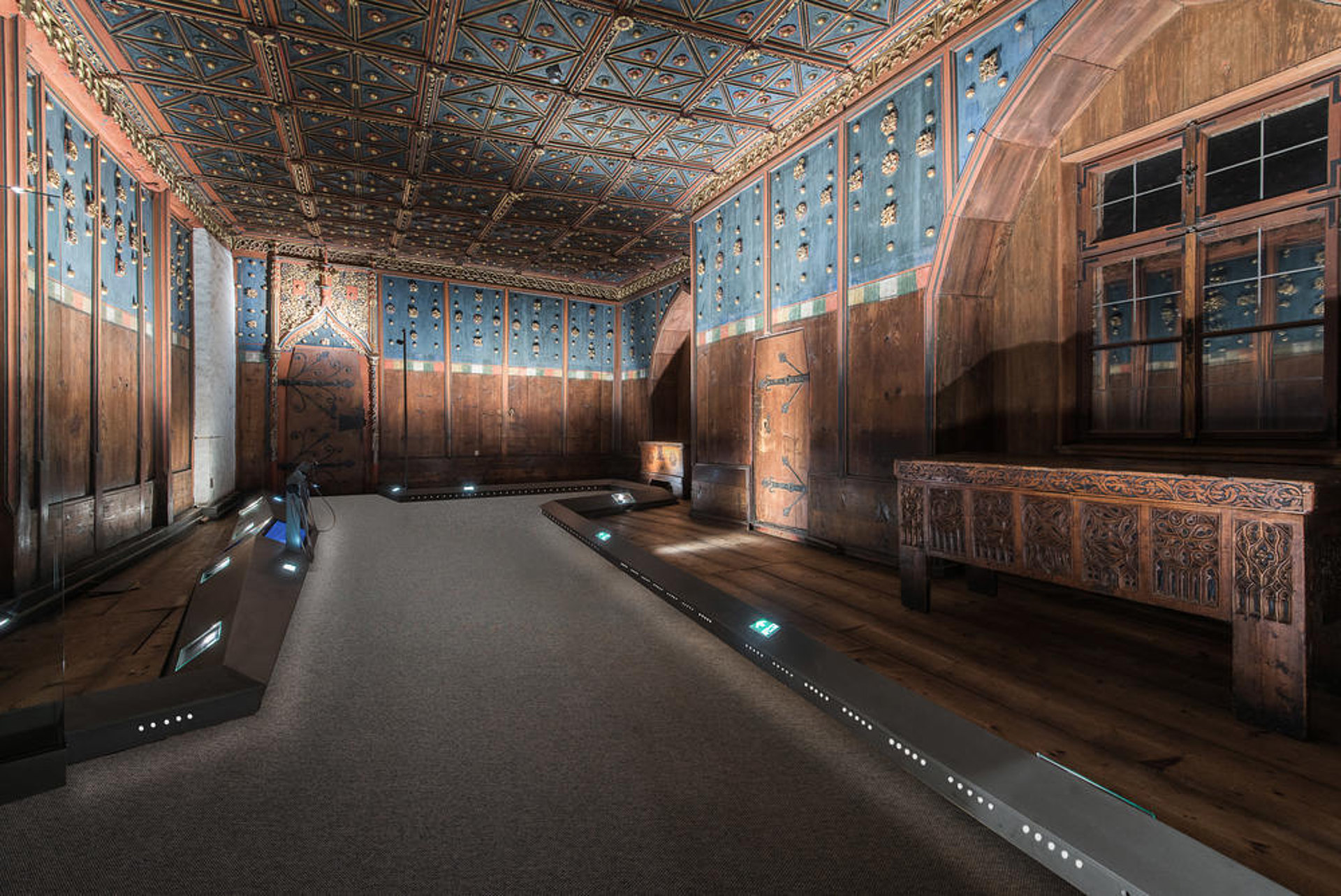
In 1077, Archbishop Gebhard initiated the building of two fortresses: Hohensalzburg and Hohenwerfen. A fortress was like a small, self-contained town with living-quarters, stables, chapel, kitchen, bakery and craftsmen's workshops. While the soldiers lived in cramped communal quarters, the archbishops resided in magnificent apartments with tiled stoves. Particularly sumptuous are the prince's apartments – preserved in their original state – in Hohensalzburg Fortress.
Mauterndorf Castle, in the Lungau region, once marked one of the main Alpine crossings. The Gothic frescos in the chapel date from the 14th century. As was customary, the fortress included a dungeon and an armoury. The Museum takes visitors on a journey through time, from the Middle Ages to modern times, bringing alive everyday routine in the Castle.
In the Middle Ages, the nobility in the Salzach Valley were already using birds of prey for hunting. Hohenwerfen Fortress offers a daily demonstration with falcons, eagles and buzzards.


Peasant life
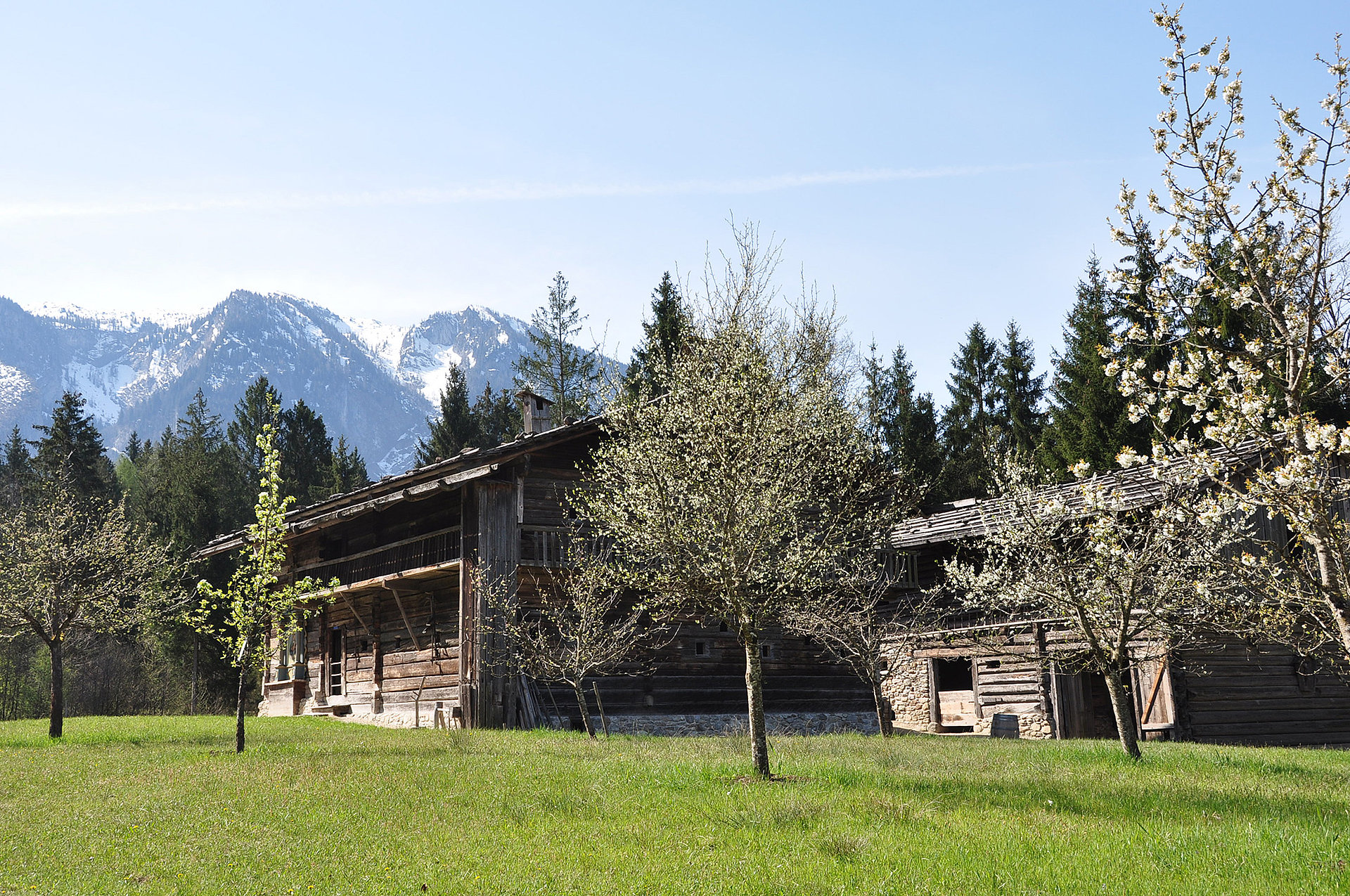
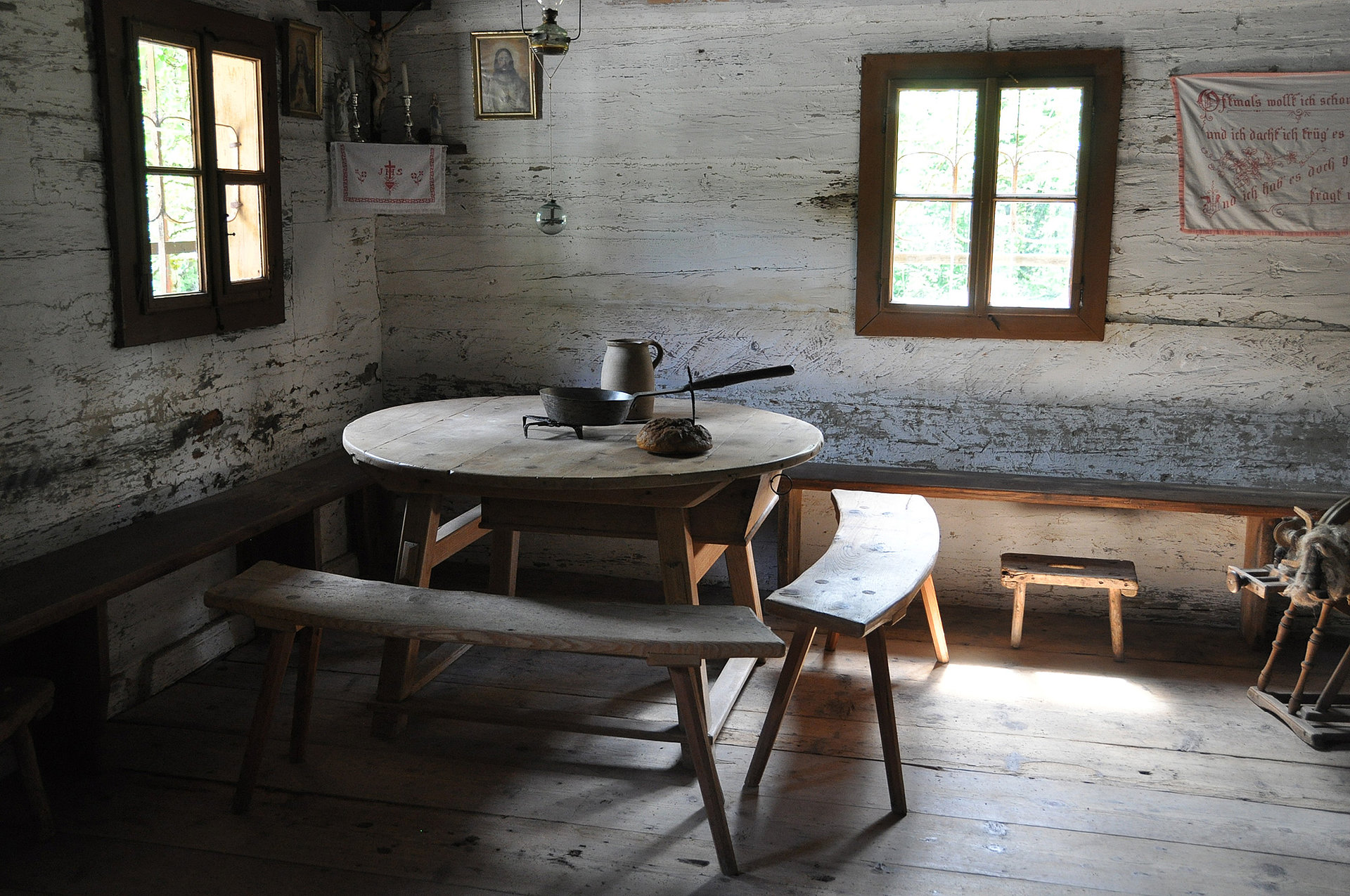
The peasants' life was considerably simpler and more frugal than that of the residents in the castle. In winter, often only the living-room was heated. They ate from bowls placed on the table for everyone – mostly a thick pottage made of oats or millet and vegetables. Meat was served only on feast days.
The patience of the rural population, forced to surrender much of their harvest to the feudal lords, finally reached its limits, resulting in the Great Salzburg Peasants' War of 1525. Archbishop Matthäus Lang von Wellenburg had to take refuge in Hohensalzburg Fortress, where he held out for 14 weeks under siege. The Fortress was never taken. Hohenwerfen Fortress was also targeted by the insurgent peasants. The exhibition The uprising: Hohenwerfen Fortress in the Salzburg Peasants' War of 1525/26 deals with this event, which took place 500 years ago.
In the Salzburg Open-Air Museum, 100 buildings from all regions of the Province of Salzburg have been reconstructed: farmhouses, barns, mountain huts – the oldest dating back to the 15th century. Living-rooms and kitchens furnished in the original style offer insights into rural life in the past. The Museum has an impressive collection of agricultural implements and objects used in the daily life of the peasant families.

The prince-archbishops
For some 1,000 years, Salzburg was ruled by powerful prince-archbishops. At once spiritual leaders and territorial monarchs, they held the reins of both ecclesiastical and secular power. Their extensive building activity had a significant influence on today's Old Town.
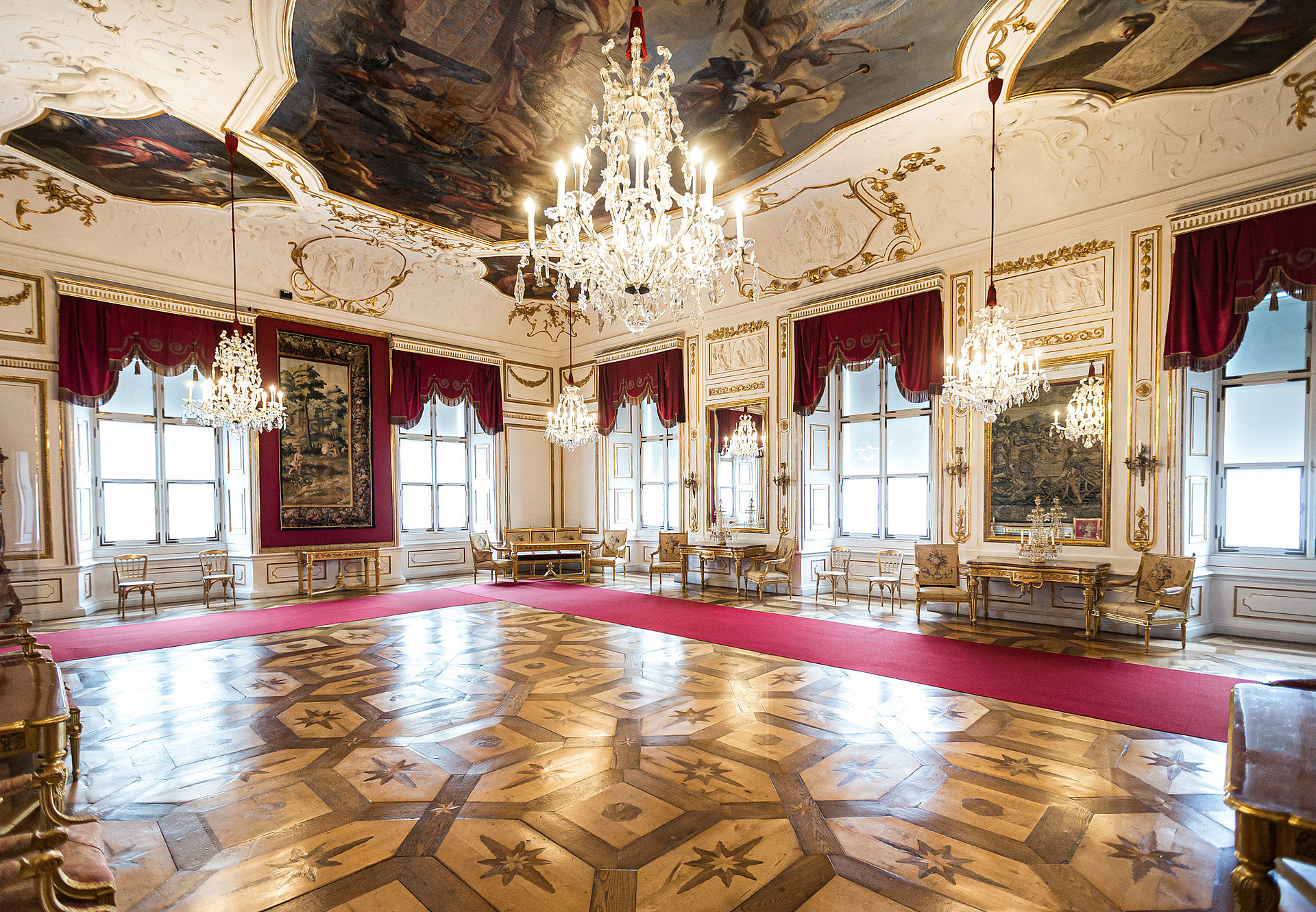
From 1587, Prince-Archbishop Wolf Dietrich von Raitenau ordered the demolition of around 100 townhouses in the Old Town, to make way for his vision of a baroque Residenzstadt [seat of a court]. Today, the DomQuartier offers a tour through the Cathedral, the state-rooms in the Residenz, St Peter's Abbey Museum, the Cathedral Museum and the Residenzgalerie, demonstrating all facets of the baroque heart of Salzburg and the era of the powerful prince-archbishops.
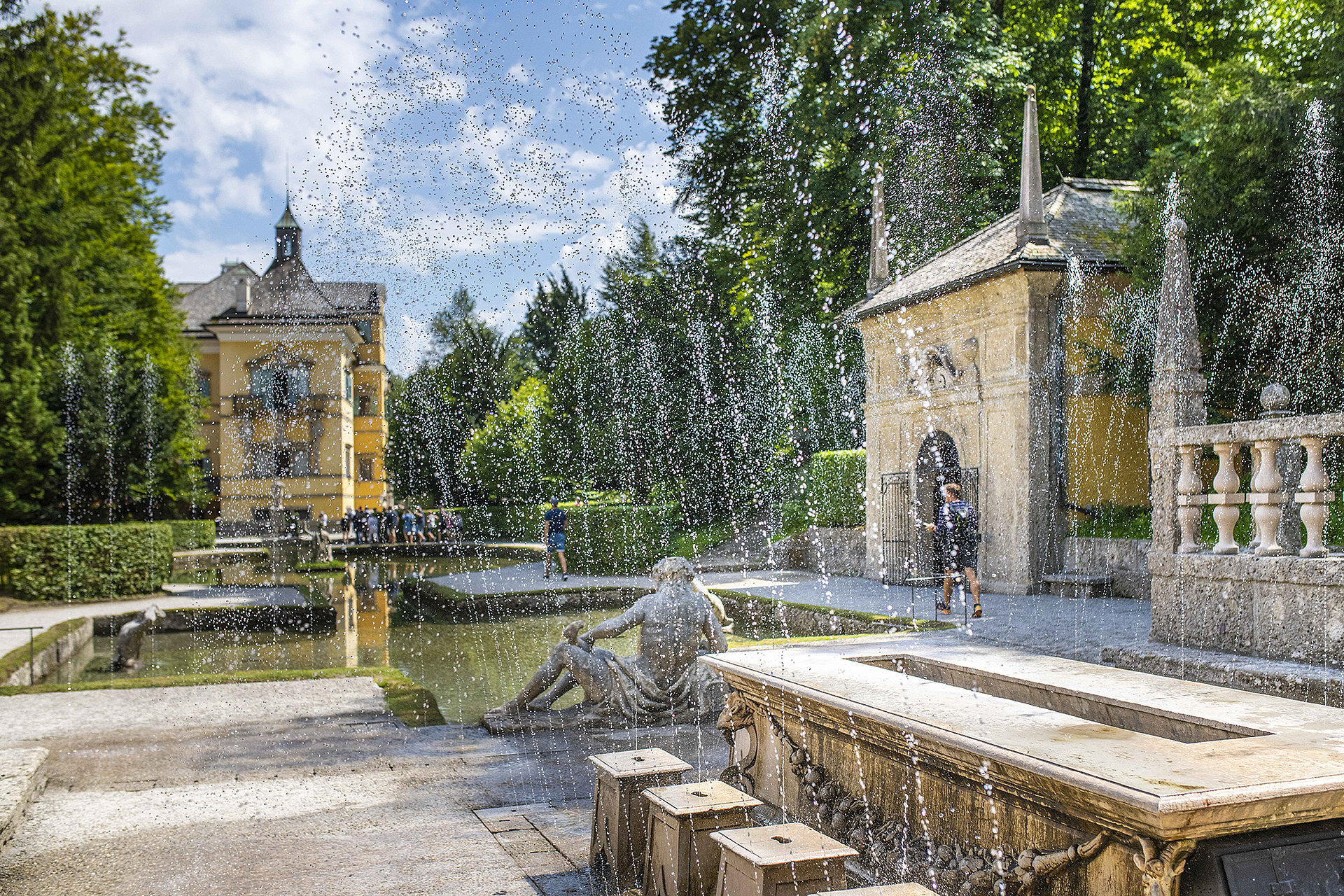
Hellbrunn Palace was built from 1613 to 1615 by Wolf Dietrich's successor Markus Sittikus, as an Italianate summer villa, thus without a single stove or chimney. Here he held sumptuous Venetian-style court festivities. Today, the 400-year-old Wasserspiele [trick fountains] still hold surprises for visitors, with sudden spouts and water-powered machines – showing how Markus Sittikus liked to soak his guests.
This era also had its darker sides. In November 1731, Prince-Archbishop Leopold Anton von Firmian issued the Emigration Decree, forcing some 22,000 Protestant Salzburg residents to flee their homeland. In the Pongau region alone, 1,544 farms were abandoned. Almost a quarter of the refugees did not survive the long marches.
1803 saw the end of the era. The last prince-archbishop was Hieronymus Colloredo, who had employed Wolfgang Amadeus Mozart at his court. The Salzburg archbishopric was made a secular electorate; some time later, it became part of the Austrian Empire.

Of course, the history of Salzburg and its inhabitants is far from ending here. In the more recent past, too, people have left their mark in the Province – whether building a border post such as Fort Kniepass in the Saalach Valley, discovering the Eisriesenwelt [ice caves] in the Tennen mountains or constructing the gigantic dam at the Kaprun reservoirs.
One thing is certain: the best way to explore Salzburg and its diverse history is through visiting its top attractions.